Unlocking Learning: How Idle Games Can Transform Educational Games for All Ages
In recent years, idle games have emerged as a new genre of gaming that captivates players with their simple mechanics and continuous gameplay. But what if these captivating features could be harnessed for educational purposes? As we dive deeper into this intriguing concept, we’ll explore how idle games can revolutionize educational games for all ages and improve learning experiences.
The Allure of Idle Games
Idle games, often referred to as clicker games or incremental games, provide a gameplay experience that allows players to progress without constant input. This makes them incredibly engaging and easy to pick up. Players watch as their in-game assets multiply, often leading to a sense of achievement without requiring extensive gameplay. Here’s a brief comparison of traditional gameplay versus idle gameplay:
| Traditional Games | Idle Games |
|---|---|
| Require consistent player engagement | Auto-progression continues even when offline |
| Complex mechanics can overwhelm | Easy to understand and play |
Incorporating Educational Elements
Integrating educational themes into idle games can create a unique learning tool. For instance, developers can design games around subjects like math, history, or science while maintaining the engaging mechanics of idle games. Imagine a game where players manage a virtual farm while learning about ecology and sustainability, or even a resource management game that teaches economic principles.
Examples of Educational Idle Games
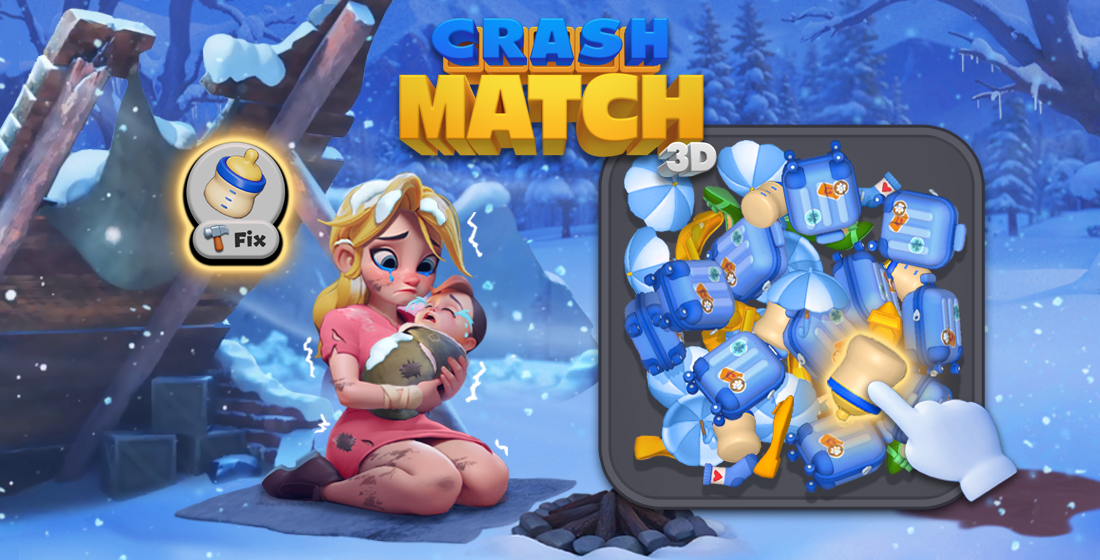
- Cube Crash Match 3: A puzzle game that incorporates critical thinking and pattern recognition.
- Dog RPG Games: These games can blend role-playing elements with training mechanics, teaching players about responsibility and pet care.
- Simple Math Survival: Players solve math problems to continue progressing in a survival scenario.
Benefits for All Ages
One of the key advantages of idle games is their accessibility to players of all ages. Children can enjoy the thrill of gameplay while effortlessly absorbing knowledge. Adults might find idle games enriching as they combine relaxation with learning. Here are some benefits idle games can offer in educational settings:
- Lower Barrier to Entry: Easy mechanics allow for a seamless learning experience.
- Engagement: Players are likely to return to the game regularly to check their progress.
- Skill Development: Games can be designed to target specific skills such as problem-solving and critical thinking.
Conclusion
Incorporating idle games into the realm of educational games opens new avenues for learning that are not only effective but enjoyable. By blending the simplicity and addictive nature of idle gameplay with valuable educational content, developers can create tools that enrich the learning experience for everyone, regardless of age. Whether it's through the Cube Crash Match 3 or even dog RPG games, the possibilities are endless. As we continue to explore this innovative intersection, who knows what the future holds for players and learners alike?